
Integrating Bali LRT With Luxury Airport Transport 2027 means using the new rail line for the main leg, then switching to a prebooked chauffeur car for the last 5–25 km. For many routes, this can cut total journey time by 20–35% and control costs, while keeping a fully private, luxury experience from arrivals hall to hotel.
How will Bali’s 2027 LRT change premium airport arrivals for international travellers?
The opening of the Bali LRT in 2027 is expected to reshape how premium travellers move from Ngurah Rai International Airport to key areas such as Canggu, Ubud, Jimbaran and Sanur. By shifting the high-traffic trunk section to rail and reserving luxury cars for last‑mile legs, guests can enjoy both predictability and privacy.
Official tourism and transport plans released in 2025 identified congestion on corridors north of the airport as a primary bottleneck in peak months such as July–August and December–January. A fixed‑guideway system gives a defined arrival time window, which is essential for coordinating a bali hotel prebooked luxury airport transfer that meets the LRT precisely, rather than waiting in uncertain road traffic.
Currency volatility is another reason integration matters. According to Bank Indonesia, the JISDOR reference rate reached Rp17,999 per USD 1 on 6 July 2026. With fuel and operating costs linked to this, using rail for the long segment helps keep luxury road pricing stable while maintaining service standards such as climate‑controlled cabins and professionally trained chauffeurs.
What does a 2027 Bali LRT + luxury car airport journey actually look like?
A typical integrated itinerary in 2027 starts with priority processing at Ngurah Rai. Guests who book a bali luxury airport lounge and chauffeur package are met airside or at the arrivals hall, assisted with baggage, then guided to LRT check‑in or platform level. Clear bali luxury transport signage at airport waypoints is crucial so travellers can see exactly where to transfer from terminal to rail.
On arrival at the relevant LRT station near Canggu, Ubud or Nusa Dua, a chauffeur waits kerbside with vehicle ready. For example, a guest heading north might ride LRT for 15–25 minutes, then continue in one of the tinted window luxury cars bali fleets for the final 20–40 minutes, depending on traffic conditions and season. In shoulder seasons like May or October, combined times are typically shorter than high season.
Inside the vehicle, guests expect bali climate control in luxury cars with individually adjustable zones, leather seating, bottled water and digital entertainment. Many operators now provide bali netflix and wifi in luxury cars so travellers can log into streaming accounts or join video calls, using stable wifi in luxury cars bali instead of relying on airport or station networks.
How can last‑mile luxury cars keep routes to Canggu and Ubud fast after the LRT?
Even with rail, final legs to villas and resorts still rely on road access. By 2027, the fastest route bali airport to Canggu luxury car is likely to combine an LRT ride to a northern or western hub, then use local roads that bypass the most congested sections identified in traffic studies by regional planning agencies in 2024.
For Ubud, a similar split can create the fastest route bali airport to ubud chauffeur option: LRT to a central inland node, then a driver who knows current roadworks, temple ceremony days and market hours. Local knowledge matters because religious ceremonies and village events, tracked in regional calendars, can add 20–40 minutes if routes are not adjusted.
Integrated planning also supports larger travel trends. Analysis of wellness-focused stays, like those discussed in reports similar to “Bali Wellness Retreats And Luxury Transport Demand 2027”, shows more guests heading to Ubud, Tegallalang and northern districts where roads narrow. A professional chauffeur receiving live LRT arrival data and traffic updates can adapt in real time, helping keep overall journey times competitive with fully road‑only options.
How do comfort, smoking rules and in‑car technology work in integrated luxury fleets?
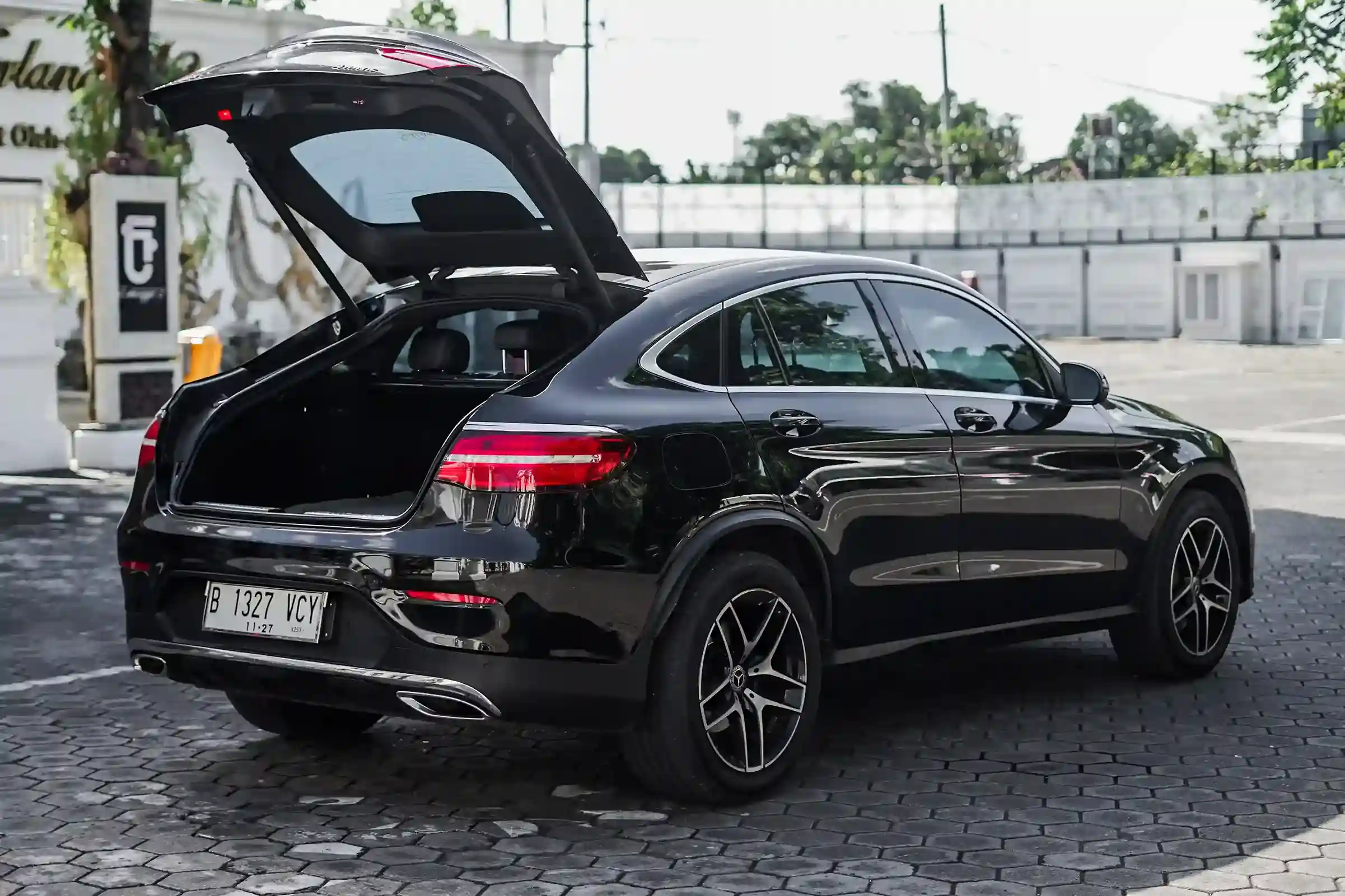
Premium travellers increasingly expect a consistent comfort standard from station to hotel. In practice, this means vehicles offering bali climate control in luxury cars, privacy glass, generous legroom and discreet service as soon as guests exit the LRT platform. For many, tinted window luxury cars bali options are non‑negotiable for security and relaxation after long‑haul flights.
Smoking policy in bali luxury cars is typically strict: most professional operators run non‑smoking vehicles to preserve air quality, cabin materials and guest comfort. Some may allow designated smoking stops on longer transfers, but these must respect local regulations and property rules. Policies are normally clarified in booking confirmations to avoid misunderstandings on arrival day.
On the tech side, providing wifi in luxury cars bali is moving from “nice‑to‑have” to standard for 2027, especially where guests use the LRT time for rest and the car time for work or streaming. Systems often include password‑protected routers, multiple device connections and sometimes smart TVs or tablets for bali netflix and wifi in luxury cars usage, letting guests catch up on shows or briefings between the station and villa.
How do pricing, payment security and driver welfare fit into a 2027 integrated model?
Currency fluctuations mean transparent pricing is essential. With Bank Indonesia’s transaction rate on 8 July 2026 quoting a sell rate of about Rp18,078 per USD 1, reputable providers clearly explain which rate is used at the time of booking. This helps international guests understand why integrated LRT plus luxury car pricing may be more stable than long, road‑only itineraries.
Bali luxury transport payment security is expected to keep evolving through 2027, with more use of tokenised card payments, reputable payment gateways and clear digital invoices. For corporate travellers, these documents are key for expense reconciliation and internal compliance. The choice between airport transfer vs hourly hire bali luxury packages will depend on whether guests need direct point‑to‑point service or more flexible multi‑stop use around meetings and site visits.
Behind the scenes, serious operators invest in bali luxury transport driver welfare programs to sustain service quality. Fair scheduling, training on LRT connections, rest breaks and medical checks help ensure drivers remain alert for complex urban driving near stations and rural access in areas like Ubud. Guests benefit through safer, smoother journeys as they move from rail to road segments.
- Typical LRT + luxury car handover time at stations is 5–15 minutes, including baggage loading and welcome briefing.
- Peak‑season transfers (July–August) are often booked 2–4 weeks in advance for both rail slots and car allocations.
- Corporate guests usually receive digital confirmations with station meeting points, vehicle model and driver contact details.
- Large groups may use one LRT carriage zone plus 2–4 vans for bali airport luxury pickup for large groups at the destination hub.
- Some lounge packages combine bali airport priority baggage and luxury car, reducing waiting time at carousels.
- Payment is commonly settled in IDR, using reference market rates around Rp17,900–18,100 per USD 1 in early July 2026.
- Regulatory updates affecting integrated services are monitored through sources similar to “Bali Luxury Transport Regulation Changes 2027”.
Frequently asked questions
how to find your chauffeur at bali airport
Integrated LRT and luxury car services usually send a digital meeting map before travel. After immigration and baggage, guests follow bali luxury transport signage at airport exits to a designated point—often a named pillar or counter. The chauffeur displays a tablet or sign with the lead guest or company name and confirms the onward LRT or car leg.
is Integrating Bali LRT With Luxury Airport Transport 2027 worth it in Bali?
For guests heading to Canggu, Ubud or other high‑traffic zones, integrating rail and luxury cars can reduce overall travel time by 20–35% compared to road‑only trips, especially in peak months. It also offers more predictable arrival windows for check‑in and spa reservations, while still providing private, high‑comfort vehicles for the last stretch.
what is included in Integrating Bali LRT With Luxury Airport Transport 2027?
Most integrated packages combine meet‑and‑greet, assistance to the LRT, reserved seats or recommended carriages, and a private luxury vehicle waiting at the destination station. Depending on the option, inclusions may cover wifi in luxury cars, bottled water, climate control, support for priority baggage, and tailored routing to villas or resorts on arrival.
How does hourly hire compare to a direct airport transfer in an LRT-integrated setup?
Airport transfer vs hourly hire bali luxury choices hinge on flexibility. A direct transfer is ideal for hotel check‑in after the LRT leg, with a fixed price and route. Hourly hire suits guests planning multiple stops—such as property viewings or meetings—after leaving the station, trading a higher total cost for greater scheduling freedom.
Can integrated LRT and luxury car services handle Canggu’s 2027 mobility demand?
Yes, provided capacity is planned. Forecasts for coastal hotspots, similar to those explored in “Canggu Luxury Mobility After Rail Launch 2027”, suggest higher demand for flexible last‑mile cars. Coordinated scheduling between rail times and local chauffeurs helps keep wait times low and supports villa zones with limited parking.
To design a 2027-ready LRT plus luxury airport journey for your trip or event, contact the Juara Holding Group BD desk via WhatsApp 6281128590000 or email [email protected], and request a tailored Bali Luxury Airport Transfer itinerary.
Last updated 1 August 2026