
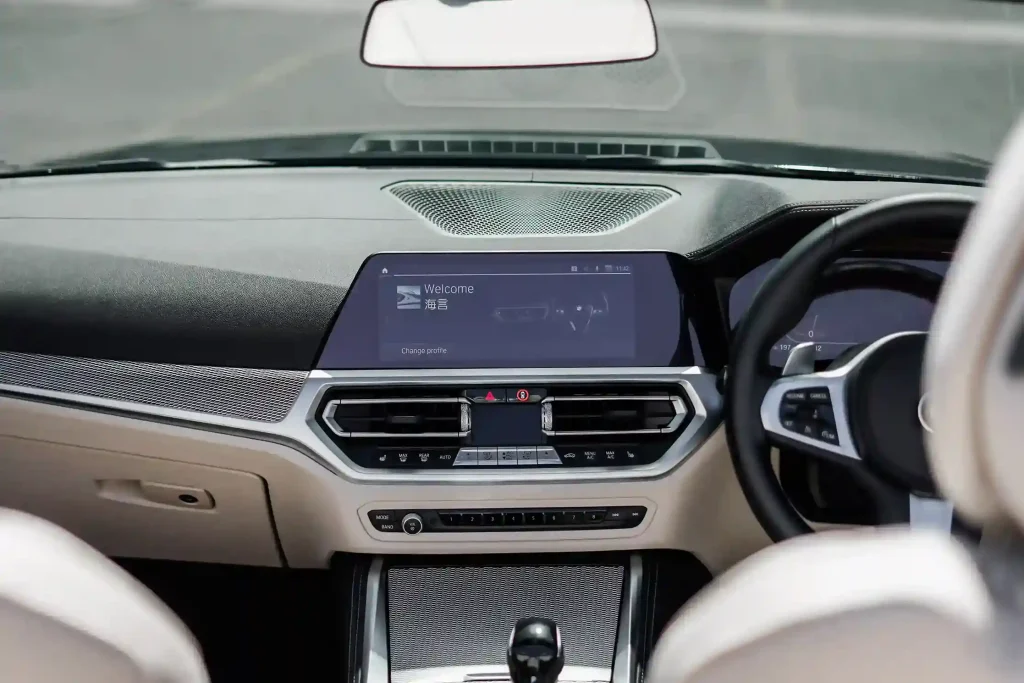
By 2027, premium guests in Bali can expect at least 40–60% of serious luxury fleets to be electric or low-emission hybrids, with quiet, AC‑cooled cabins and smart routing that cuts idle time. This shift is driven by rising fuel prices, guest ESG policies, and Bali’s push to manage congestion and emissions.
What will “sustainable” actually mean for Bali luxury transport in 2027?
By 2027, sustainability in Bali luxury transport will move from marketing phrase to a measurable standard. Large operators will be expected to disclose the percentage of their fleet that is electric or hybrid, average emissions per kilometer, and how vehicles are routed to minimize dead mileage between jobs. Corporate travel buyers already ask for this data in RFPs for 2026–2028 events.
The most visible change will be EV sedans, MPVs, and luxury SUV transfer Bali options on airport and resort routes, especially in South Bali and Ubud where charging access is improving fastest. For high-end guests, “eco” will not mean less comfortable; instead, quieter drivetrains, better in-car air filtration, and refined interiors will form the new baseline.
Supporting systems will develop in parallel. Operators will use smart dispatch linked to traffic data from tools similar to Bali luxury transport Google Maps optimization, cutting idle time and emissions on corridors like Denpasar–Nusa Dua. As fuel and electricity prices shift with the rupiah’s movement — Bank Indonesia recorded a JISDOR reference of Rp17.999 per USD 1 on 6 July 2026 — dynamic cost control will become essential to keep sustainable fleets competitively priced.
How fast will EV and low-emission fleets grow for premium and MICE travelers?
Growth will be fastest in segments with predictable routes and high usage: conference, incentives, and brand events. A bali conference shuttle premium fleet that ran mainly on diesel minibuses in 2023 will, by 2027, likely operate at least 50% on EV or hybrid people-movers on fixed shuttles between Ngurah Rai International Airport, Nusa Dua, and major convention venues.
Corporate sustainability teams are already writing emissions reduction into travel policies for events contracted from 2025 onward. Requests for “CO₂‐light” or “all electric where possible” appear more often in corporate tender documents shared with transport partners. This includes bundled offerings linking ground fleets with rail products such as Luxury Train Tourism Java And Bali Combo Itineraries 2027, creating end‑to‑end lower‑carbon journeys.
For airport–villa routes, guests will see more EV premium MPVs and sedans in the booking funnel, especially for three- to four-hour blocks, such as a bali luxury transport three hour hire for sunset dinners or site inspections. As of August 2026, operators report that EV total cost of ownership becomes attractive once annual mileage goes beyond roughly 35,000–45,000 km, which high‑utilization corporate fleets typically exceed, reinforcing the business case for rapid adoption.
How will sustainability change popular leisure routes and premium touring in Bali?
By 2027, sustainability will be woven into how signature leisure journeys are delivered. For early departures, bali sunrise hike transfers luxury vehicles heading to Mount Batur and other highland trails will increasingly be quiet EV vans with pre‑cooled cabins, reducing pre‑dawn noise around villages and hotel entrances while also cutting emissions in fragile upland areas.
On the east side of the island, a bali east coast temples luxury tour connecting sites such as Goa Lawah, Tirta Gangga, and Lempuyang will likely be positioned as a “low‑emission day out,” with optimized routing and regenerative braking on hilly roads. The same applies to bali luxury transport to Padangbai harbor, where EVs can time arrivals for fast boat and yacht departures while avoiding long engine idling in the harbor area.
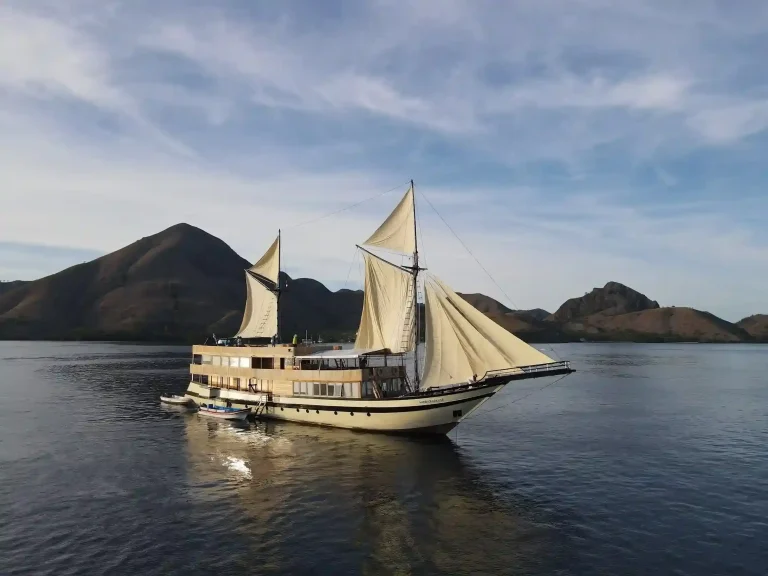
For guests arriving by sea, integrated programs combining yacht charters and electric road vehicles are already being mapped, supported by products such as Bali Yacht Charter And Luxury Ground Transfers 2027. These itineraries reduce repeated airport trips and instead connect marinas, harbors, and villas in a single, thoughtfully planned circuit with fewer empty legs and lower overall emissions per guest.
How will technology, pricing, and data make luxury transport greener without losing comfort?
Behind the scenes, three levers will define sustainable Bali luxury fleets in 2027: smarter routing, transparent pricing, and data‑driven personalization. Route planning using live traffic feeds already supports what many operators call Bali luxury transport Google Maps optimization. By 2027 this will mature into predictive routing, learning typical conference end‑times, flight waves, and temple crowding patterns to reduce congestion exposure.
On the commercial side, bali luxury transport dynamic pricing will become more common, especially in peak seasons like July–August. Rather than simple “high season surcharges”, systems will adjust rates based on vehicle type (EV vs combustion), availability, and lead time. This allows fleets to maintain healthy margins to reinvest in greener vehicles while still offering off‑peak or early‑booking discounts that reward guests for flexible planning.
Data tools will also support experience upgrades considered core to luxury travel: precise temperature control, noise‑reduced cabins, and consistent amenities such as Wi‑Fi and bottled water. Pre‑trip forms — such as a bali luxury transport pre arrival questionnaire collecting language preferences, dietary needs, or child seat requirements — will help match guests with the right vehicle and driver at the first attempt, avoiding last‑minute changes and extra journeys that add unnecessary kilometers and emissions.
How will expectations differ by nationality, security needs, and corporate standards?
Sustainable luxury is not one‑size‑fits‑all. For bali luxury transport for Korean travelers, demand often centers on spacious vehicles with strong Wi‑Fi and the ability to coordinate multi‑generational family groups on shopping, café, and beach days. By 2027, these guests will still expect comfort first, but many will also have ESG‑aware corporate cards or travel apps that highlight low‑emission options in the booking path.
For bali luxury transport for Japanese travelers, punctuality, quiet cabins, and clear information on vehicle cleanliness and safety records are key. Hybrid and EV sedans align well with these priorities, providing smooth acceleration and controlled noise levels on longer drives between Ubud, central Bali, and south‑coast resorts.
Bali luxury transport for Chinese travelers often involves short‑notice adjustments, multiple hotel changes, and high content creation. Here, sustainability intersects with digital expectations: clear bali luxury transport photography policy notes in the booking confirmation, fast data‑sharing for social media, and vehicles that charge devices quickly are all part of the perceived premium. For VIPs and executives, bali private security vehicles luxury offerings will continue to use high‑spec SUVs, but more of these will be armored hybrids or efficient petrol engines, matched with specialized drivers trained in both security awareness and eco‑driving techniques.
- Indicative EV/hybrid share in serious luxury fleets by 2027: 40–60%, varying by area and charging access.
- Typical private hires: from a bali luxury transport three hour hire up to multi‑day touring with the same driver and vehicle.
- Reference exchange rate for 2026 pricing: around Rp17.900 per USD 1 in early July 2026, based on Bank Indonesia and global data providers.
- Key data source for tourism and economic trends: Badan Pusat Statistik Provinsi Bali, based in Renon, Denpasar.
- Standard inclusions on sustainable premium runs: AC, bottled water, insured vehicles, trained drivers, and regulated rest times.
- Common documentation for corporate bookings: written itineraries, service level agreements, and emissions‑related reporting upon request.
- Alignment with corporate sustainability: some operators exploring bali luxury transport b corp potential to match global ESG frameworks.
How are corporate, conference, and high-touch itineraries being redesigned around EV fleets?
Corporate travel buyers are reshaping itineraries to better fit EV range and charging windows without sacrificing comfort. For example, full‑day MICE programs are more often clustered in single zones — keeping seminars, offsite dinners, and teambuilding within Southern Bali or Ubud — to limit long empty returns. This makes it easier to run a bali conference shuttle premium fleet with reliable charging breaks built into the schedule.
Integrated accounts that combine hotel, rail, and ground transport are also evolving. Executive programs increasingly mix resort stays with rail‑based travel across Java and Bali, aligned with offers like EV Limousine Services For Bali Five Star Hotels 2027, then onward overland legs via Luxury Train Tourism Java And Bali Combo Itineraries 2027. This reduces domestic flights, a major emissions source.
For organizations seeking central billing, reporting, and local expertise, partners with dedicated enterprise desks — for instance, a specialist Corporate Luxury Transport Bali service backed by a group like Juara Holding Group (part of Juara Holding Group — since 2015) — can coordinate multiple event waves and provide post‑event reports summarizing fleet mix, transfer counts, and estimated emissions savings from using EV and hybrid vehicles throughout the program.
Frequently asked questions
how much does Sustainable Bali Luxury Transport Trends 2027 cost in Bali?
Pricing depends on vehicle class, trip length, and whether an EV, hybrid, or conventional engine is used. As of August 2026, half‑day private hires with premium vehicles typically range from the mid‑hundreds of thousands to several million rupiah, with corporate programs priced via tailored proposals that factor in fleet mix, mileage, and seasonal demand.
is Sustainable Bali Luxury Transport Trends 2027 worth it in Bali?
For many premium and corporate travelers, yes. More efficient fleets reduce fuel volatility risks, while quiet EV and hybrid cabins improve comfort on Bali’s busy roads. Access to emissions data also helps companies meet ESG targets. Value tends to be highest on multi‑day programs, conference shuttles, and high‑mileage itineraries that fully utilize greener vehicles.
what is included in Sustainable Bali Luxury Transport Trends 2027?
Typical inclusions are a modern EV or hybrid vehicle (or efficient combustion option where EVs are not yet viable), professional driver, fuel or charging, air‑conditioning, basic amenities such as water, and standard insurance. Some programs add reporting on fleet composition and estimated emissions, plus coordination support for airport, harbor, and inter‑island connections.
how do sunrise hikes and temple tours adapt to Sustainable Bali Luxury Transport Trends 2027?
Sunrise hikes and temple itineraries are being redesigned around quieter, lower‑emission vehicles and smarter scheduling. Routes to Batur, eastern temples, and Padangbai harbor increasingly use EV vans or hybrids, with early‑morning pickups, buffer time for charging, and carefully sequenced stops to cut idle time, reduce village noise, and keep guest comfort high throughout long days.
how are photography and data preferences handled in sustainable luxury vehicles?
Operators now clarify their bali luxury transport photography policy at booking, covering in‑car filming, driver privacy, and drone use around temples or villages. Pre‑arrival forms collect guests’ consent and social media preferences, helping crews support content creation respectfully while complying with local customs and property rules, especially in culturally sensitive or security‑sensitive locations.
For tailored sustainable luxury transport planning in Bali from 2027 onward, contact the BD desk at WhatsApp 6281128590000 or email [email protected] to discuss routes, fleet mix, and corporate or VIP requirements.
Last updated 1 August 2026