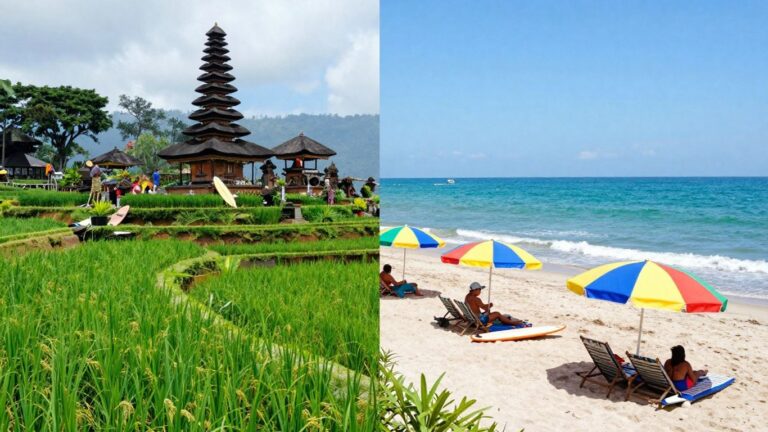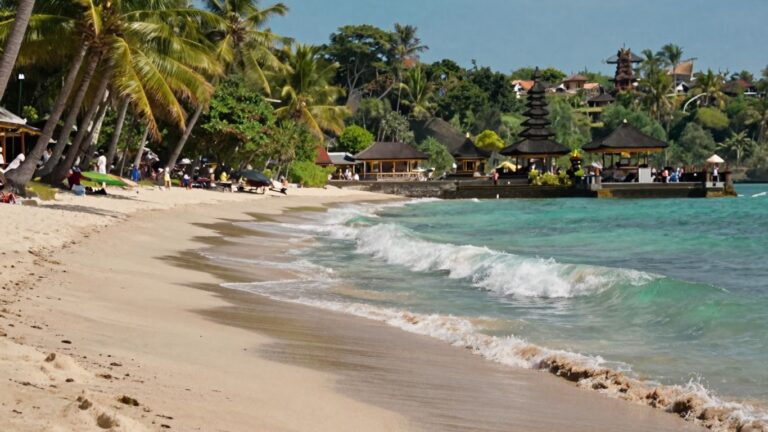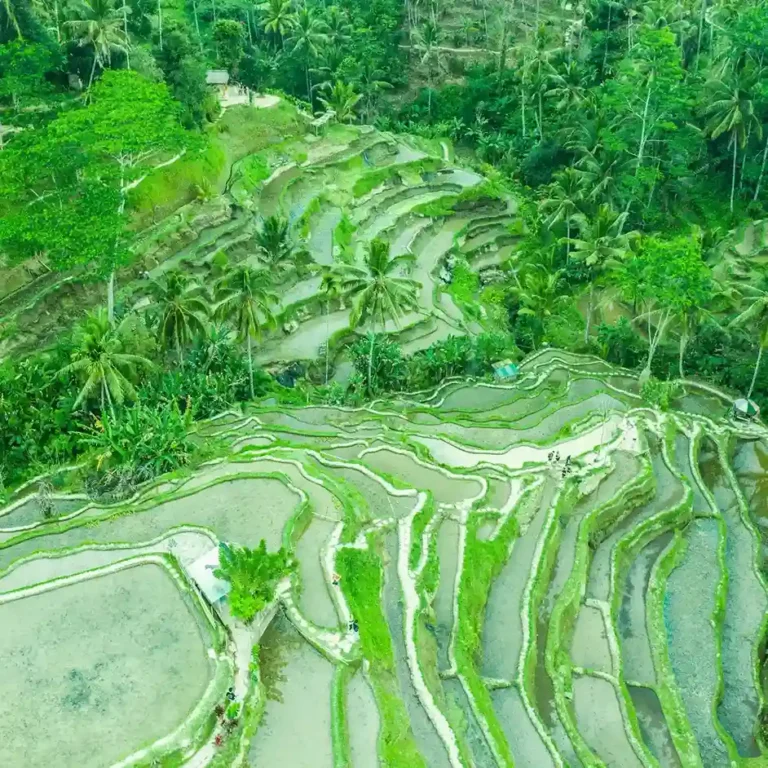


Planning a trip to Bali and wondering when to pack your bags? It’s a question many travelers ask. While Bali is pretty great any time of year, the ‘best time visit Bali’ really depends on what you’re looking for. Are you dreaming of endless sunshine for beach days, or perhaps a quieter vibe with fewer people? Maybe you’re after the best waves for surfing, or you want to catch some cool cultural events. Let’s break down the seasons and what each brings to the Island of the Gods.
Key Takeaways
- For sunny skies and beach activities, aim for the dry season from May to September. This is also when surfing conditions are often at their best.
- The wet season, from November to March, offers lush green scenery, fewer crowds, and potentially better deals on accommodation.
- Consider the shoulder months of April, May, September, and October for a good mix of pleasant weather and fewer tourists.
- If budget is a top priority, look at February, March, and November, as these months often have the lowest prices.
- To experience specific activities like surfing, diving, or hiking, check the prime months for each, generally falling within the drier parts of the year.
1. Dry Season: May to September
This period, spanning from May through September, is generally considered the prime time to visit Bali. The weather is typically sunny and pleasant, with lower humidity and minimal rainfall. It’s the season when the island truly shines for those looking to enjoy its famous beaches and outdoor activities.
During these months, you can expect consistent sunshine, making it ideal for a variety of pursuits. Whether you’re planning to relax by the ocean, explore the lush interior, or engage in water sports, the dry season offers a reliable climate.
Here’s a breakdown of what makes this season stand out:
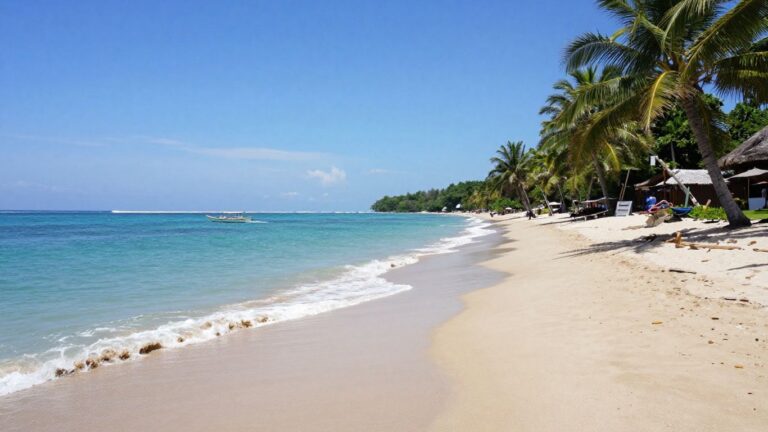
- Beach Bliss: With clear skies and calm seas, this is perfect weather for sunbathing, swimming, and enjoying Bali’s stunning coastlines.
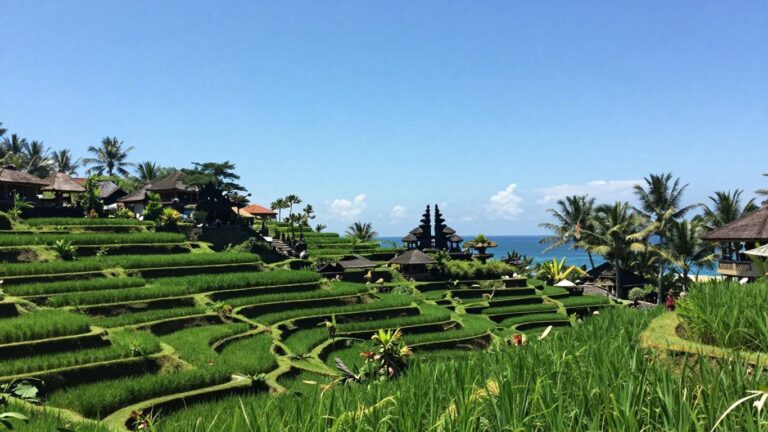
- Outdoor Adventures: Hiking Mount Batur for sunrise, exploring rice terraces like Tegalalang, or visiting waterfalls are more enjoyable without the threat of heavy rain.
- Water Activities: Conditions are generally excellent for diving and snorkeling, offering good visibility in the ocean.
While the weather is fantastic, it’s also worth noting that July and August represent the peak of this season. This means more visitors and potentially higher prices for flights and accommodation. If you prefer a slightly less crowded experience while still enjoying great weather, consider visiting in May, June, or September.
The dry season offers Bali at its most accessible for travelers seeking predictable sunshine and a comfortable climate for exploration. It’s a time when the island’s natural beauty is on full display, inviting visitors to soak up the sun and enjoy the vibrant atmosphere.
2. Wet Season: November to March
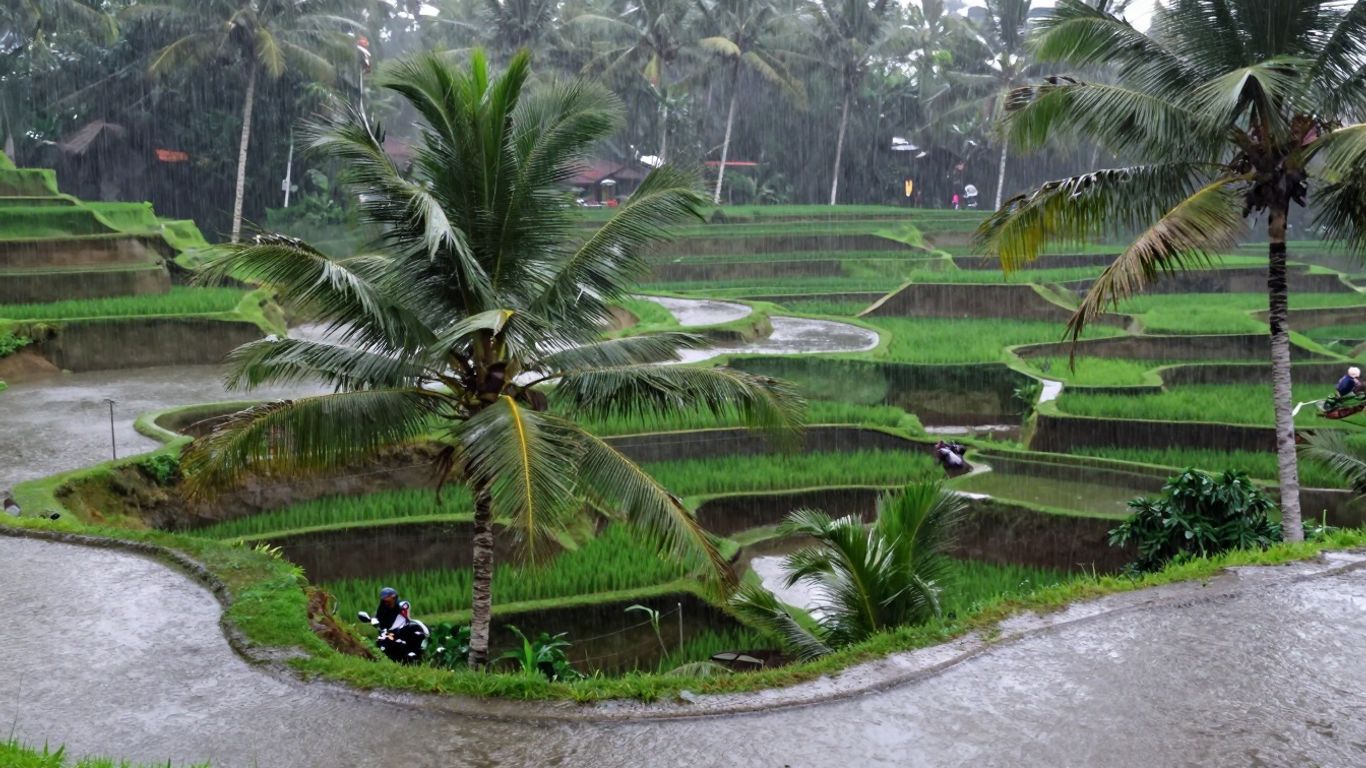
Don’t let the name "wet season" scare you off from visiting Bali between November and March. While it’s true that this period sees more rain, it’s not usually a constant downpour. Think of it more as brief, refreshing showers that often clear up quickly, leaving behind a vibrant, lush landscape. This time of year can actually be quite magical.
One of the biggest draws of visiting during the wet season is the significant drop in crowds. You’ll find popular spots are much less busy, offering a more relaxed experience. Plus, with fewer tourists around, you can often snag better deals on accommodations and activities. It’s a great time for those looking for a more tranquil escape.
Here’s what you can expect:
- Lush Scenery: The rain keeps the island incredibly green and vibrant, making it a photographer’s dream. Waterfalls are particularly impressive during these months.
- Fewer Tourists: Enjoy a more laid-back atmosphere at beaches, temples, and popular attractions.
- Budget-Friendly: Accommodation and tour prices tend to be lower, making it an attractive option for travelers on a budget.
- Indoor Activities: Perfect for exploring Bali’s rich culture through museums, cooking classes, or indulging in spa treatments.
While the beaches might occasionally have some debris washed ashore after storms, exploring inland areas like Ubud or heading to nearby islands can offer cleaner coastal experiences. It’s a trade-off for the island’s incredible natural beauty during this time.
This season is ideal for travelers who appreciate a quieter vibe and don’t mind the occasional rain shower. You might find that October and November are particularly good months to visit Bali if you’re looking for a sweet spot before the heaviest rains arrive, offering a blend of good weather and fewer crowds.
3. Shoulder Season: April, May, September, October
The shoulder seasons in Bali, specifically April, May, September, and October, offer a really nice sweet spot for many travelers. You get a good chunk of the dry season’s pleasant weather without the intense crowds and higher prices that come with the absolute peak months. It’s like getting the best of both worlds, honestly.
During these months, the weather is generally quite agreeable. You’ll find plenty of sunshine, making it perfect for exploring the island’s beaches, temples, and rice paddies. While there might be an occasional brief shower, especially as you move into October, it’s usually not enough to disrupt your plans for long. The humidity tends to be a bit more manageable too, which is a big plus when you’re out and about.
Here’s a quick look at what you can expect:
- April: Marks the transition out of the wet season. Skies start clearing up, and the island feels fresh and vibrant. It’s a great time for diving and hiking before the real heat kicks in.
- May: Often considered one of the best months. The weather is typically dry and sunny with gentle breezes, and the tourist numbers haven’t quite hit their July/August peak.
- September: The crowds begin to thin out significantly after the summer rush. You’ll find it easier to get around, book popular restaurants, and enjoy attractions with a bit more breathing room.
- October: Still offers good weather, though you might encounter more short rain showers as the island heads towards the wet season. It’s a good time for surfing and enjoying the lush landscapes.
Traveling during these shoulder months means you can often snag better deals on flights and accommodation compared to the peak season. Plus, popular spots are less likely to feel overwhelmingly crowded, allowing for a more relaxed experience.
This period is ideal for those who want to experience Bali’s beauty and activities without the hustle and bustle of the busiest times. You can enjoy surfing, hiking, and cultural exploration with more ease and often at a more reasonable cost.
4. Peak Season: July and August
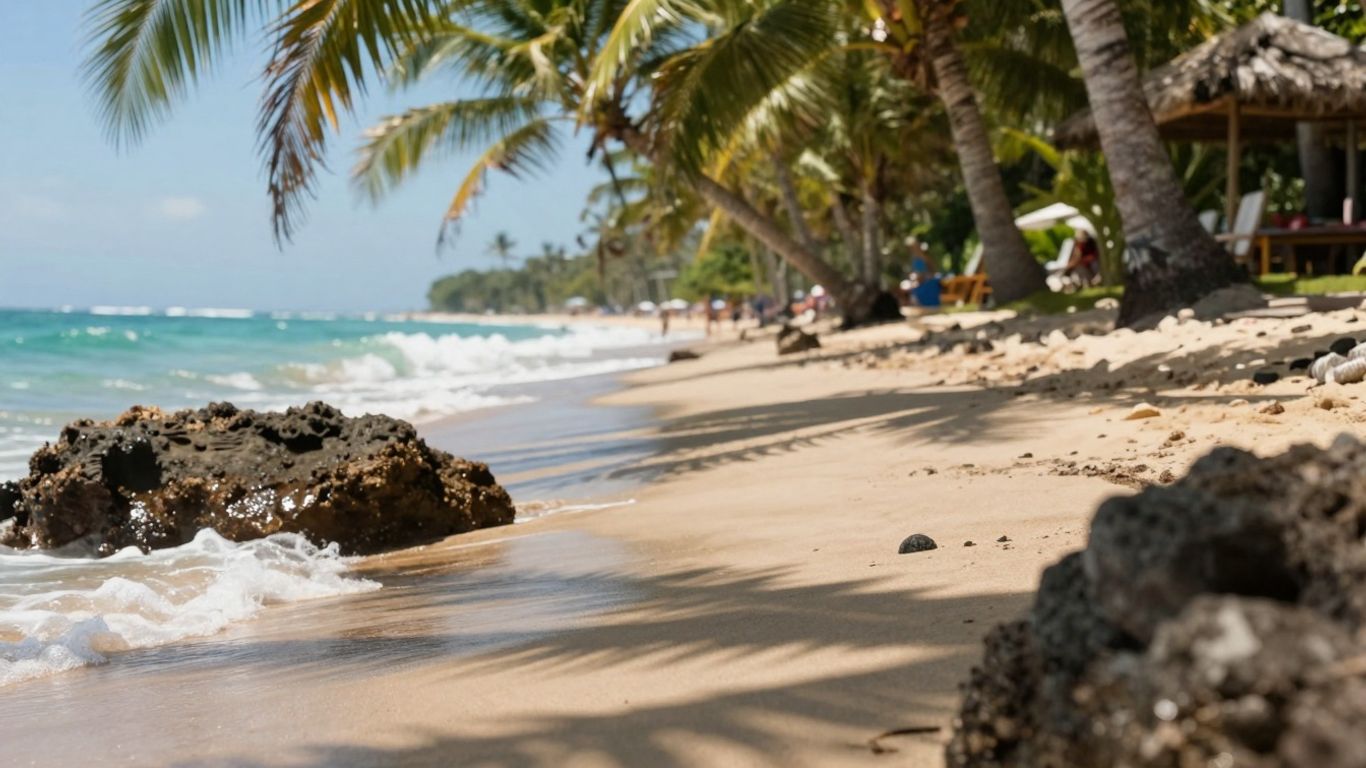
July and August mark Bali’s peak tourist season. This is when the island truly comes alive, buzzing with energy and activity. If you’re looking for the quintessential Bali experience with guaranteed sunshine and a lively atmosphere, this is your window. Expect packed beaches, vibrant nightlife, and a general sense of festivity across the island. It’s the time when many families and travelers from colder climates flock to enjoy the tropical warmth.
This period offers the most reliable weather for beach-going and outdoor adventures.
What to Expect:
- Crowds: Be prepared for significant crowds at popular attractions, beaches, and restaurants. Booking accommodations and tours well in advance is highly recommended.
- Prices: Flight and accommodation prices tend to be at their highest during these months due to high demand.
- Weather: You’ll generally find dry conditions with plenty of sunshine, making it ideal for sunbathing, swimming, and exploring.
- Activities: Most tours and activities operate at full capacity, offering a wide range of options from surfing to cultural tours.
Average Temperatures:
| Month | Average High (°C) | Average High (°F) |
|---|---|---|
| July | 29 | 84 |
| August | 29 | 84 |
While July and August are undeniably popular for their fantastic weather, they also come with the highest prices and the largest crowds. Planning ahead is key to making the most of your trip during these busy months. Consider booking your flights and hotels at least three to six months in advance to secure better rates and availability.
5. Surfing Season: April to October
If catching waves is high on your Bali to-do list, then you’re in luck. The period from April through October is generally considered the prime time for surfing across the island. This timeframe aligns with Bali’s dry season, which brings more consistent offshore winds, particularly on the western side of the island.
Think about spots like Uluwatu, Padang Padang, and Canggu. During these months, they often come alive with swells that can cater to a wide range of skill levels. Beginners might find gentler breaks, while experienced surfers can look forward to more challenging rides and those sought-after barrels. It’s not just about the west coast, though. As the season progresses, other areas can also offer good conditions.
Here’s a quick look at what to expect:
- West Coast Dominance: From April to October, the west coast typically sees the most reliable and powerful swells.
- Beginner-Friendly Options: While famous for advanced breaks, many areas also have spots suitable for those just starting out.
- East Coast Possibilities: During parts of the wet season (which overlaps slightly at the beginning and end of this period), the east coast can sometimes offer different wave experiences.
The consistent conditions during this period make it a magnet for surfers from all over the globe, all hoping to ride Bali’s famous waves. It’s a time when the ocean really shows off its power and beauty.
While this period is fantastic for surfing, remember that conditions can vary. It’s always a good idea to check local forecasts and perhaps chat with local surf schools or shops when you arrive to get the most up-to-date information for the specific spots you plan to visit.
6. Diving Season: April to November
Bali’s underwater world is pretty amazing, and if you’re looking to explore it, the period from April through November is generally your best bet. During these months, the water tends to be clearer, which means better visibility for spotting all sorts of marine life. Think vibrant coral reefs, maybe even a shipwreck or two, and if you’re lucky, some larger visitors like manta rays or the famous ocean sunfish (mola mola), especially around places like Nusa Penida.
The sweet spot for underwater exploration is often cited as April to October, with visibility peaking during the dry season.
Here’s a quick rundown of what makes this period good for getting wet:
- Clearer Waters: Less rain means less sediment washing into the ocean, leading to those crystal-clear conditions that divers love.
- Marine Life Encounters: This season is prime time for seeing specific species. Manta rays are frequently spotted in areas like Manta Point, and the mola mola tend to show up more often between July and October.
- Variety of Sites: From the volcanic sands of Amed on the east coast to the protected waters of Menjangan Island in the west, there are diverse dive sites suitable for different skill levels.
While April to November is a great window, remember that conditions can vary. Some sources suggest that May to November offers optimal diving conditions with clear waters and good visibility, while others highlight June to October for the best visibility and specific creature sightings.
Even though the wet season technically starts around November, the early part of this period can still offer fantastic diving opportunities before the heavier rains arrive. It’s always a good idea to check local conditions closer to your travel dates.
7. Hiking Season: April to October
If you’re looking to lace up your boots and hit the trails in Bali, the period between April and October is your best bet. This timeframe aligns with the island’s dry season, meaning you’ll generally find clearer skies and less rain, which makes for safer and more pleasant trekking conditions.
The dry season offers the most reliable weather for outdoor adventures.
Many of Bali’s popular hiking routes, like the trek up Mount Batur for a sunrise view, are best experienced when the paths are dry and visibility is good. While it’s the dry season, remember that mountain weather can change, and it can get surprisingly cool at higher elevations, so packing layers is always a good idea.
Here are some popular hiking spots and what to expect:
- Mount Batur: Famous for its sunrise treks. The trails are generally well-maintained but can be steep in parts. The effort is rewarded with incredible views above the clouds.
- Mount Agung: Bali’s highest peak. This is a more challenging hike, often requiring a guide and an early start. The views from the summit are spectacular on a clear day.
- Waterfalls: While not strictly mountain hikes, many of Bali’s stunning waterfalls are accessed via trails that can be slippery, especially if there’s been recent rain. The dry season makes these paths more manageable.
Planning your hike during the dry season significantly increases your chances of a smooth and enjoyable experience. Always check the local weather forecast before heading out, and consider hiring a local guide for more challenging routes. They can provide valuable insights and ensure your safety.
During this period, you can expect:
- Lower humidity compared to the wet season.
- More predictable weather patterns for planning your treks.
- Easier access to trailheads and surrounding areas due to less rainfall impacting roads.
8. Cultural Festivals: March to April
If you’re looking to experience Bali’s vibrant traditions, timing your visit for March and April can be quite special. This period often overlaps with some of the island’s most significant cultural events, offering a unique glimpse into Balinese life.
The most notable event during this time is Nyepi, Bali’s Day of Silence. This is a deeply spiritual day observed by Hindus, where the entire island comes to a standstill for 24 hours. On Nyepi itself, all public activities cease – roads are empty, shops are closed, and even the airport shuts down. It’s a time for quiet reflection and introspection. The night before Nyepi, however, is quite the opposite, with lively parades featuring large, often monstrous effigies called Ogoh-Ogoh being paraded through the streets before being burned. This contrast between the boisterous pre-Nyepi celebrations and the profound silence of Nyepi day itself is a powerful cultural experience.
Following closely are the Galungan and Kuningan celebrations. These festivals, which occur every 210 days, commemorate the victory of dharma (good) over adharma (evil). During Galungan, families return to their ancestral homes, and the island is adorned with beautiful, tall bamboo poles called ‘penjor’ outside homes and temples. Kuningan, which follows a few days later, marks the time when spirits are believed to return to heaven, and offerings are made.
While Nyepi brings a complete halt to most activities, including travel, it’s an unparalleled opportunity for those seeking a profound cultural immersion. Planning around it requires flexibility, but the experience is unlike any other.
These festivals offer a chance to see Balinese Hinduism in action, with intricate ceremonies, traditional attire, and a strong sense of community. While the exact dates for Galungan and Kuningan shift each year based on the Balinese Pawukon calendar, they frequently fall within the March to April window, making this a prime time for cultural exploration.
9. Budget Travel: February, March, November
If you’re looking to stretch your travel funds while still experiencing the magic of Bali, then aiming for February, March, or November is a smart move. These months fall outside the main tourist rushes, meaning you’ll often find better deals on flights and accommodations. Think of it as getting more island for your money.
During these periods, the crowds are generally thinner. This can translate into more relaxed visits to popular spots and, importantly for budget travelers, vendors in markets might be more open to negotiation. You’ll also find that tours and activities can sometimes be a bit more affordable because there’s less demand.
Here’s a quick look at what to expect:
- February & March: These months are typically within Bali’s wet season. While you might encounter some rain showers, they often don’t last all day. The upside is that the island is incredibly lush and green, and prices can be at their lowest. It’s a great time for those who don’t mind a bit of humidity and occasional downpours in exchange for significant savings and fewer people.
- November: This month marks the transition into the wet season. Similar to February and March, you can expect lower prices and fewer tourists. While there’s a chance of rain, it’s often a good time to visit before the heavier rains of December and January set in.
Traveling during these off-peak times means you can often find charming guesthouses or homestays at a fraction of the cost of larger resorts. It’s also a fantastic opportunity to experience a more local side of Bali, away from the busiest tourist hubs.
Booking flights and accommodation a few months in advance can often secure even better rates during these budget-friendly periods. Don’t forget to factor in local transport costs, as hiring a scooter or using ride-sharing apps can be quite economical for getting around.
10. Luxury Travel: May, June, September
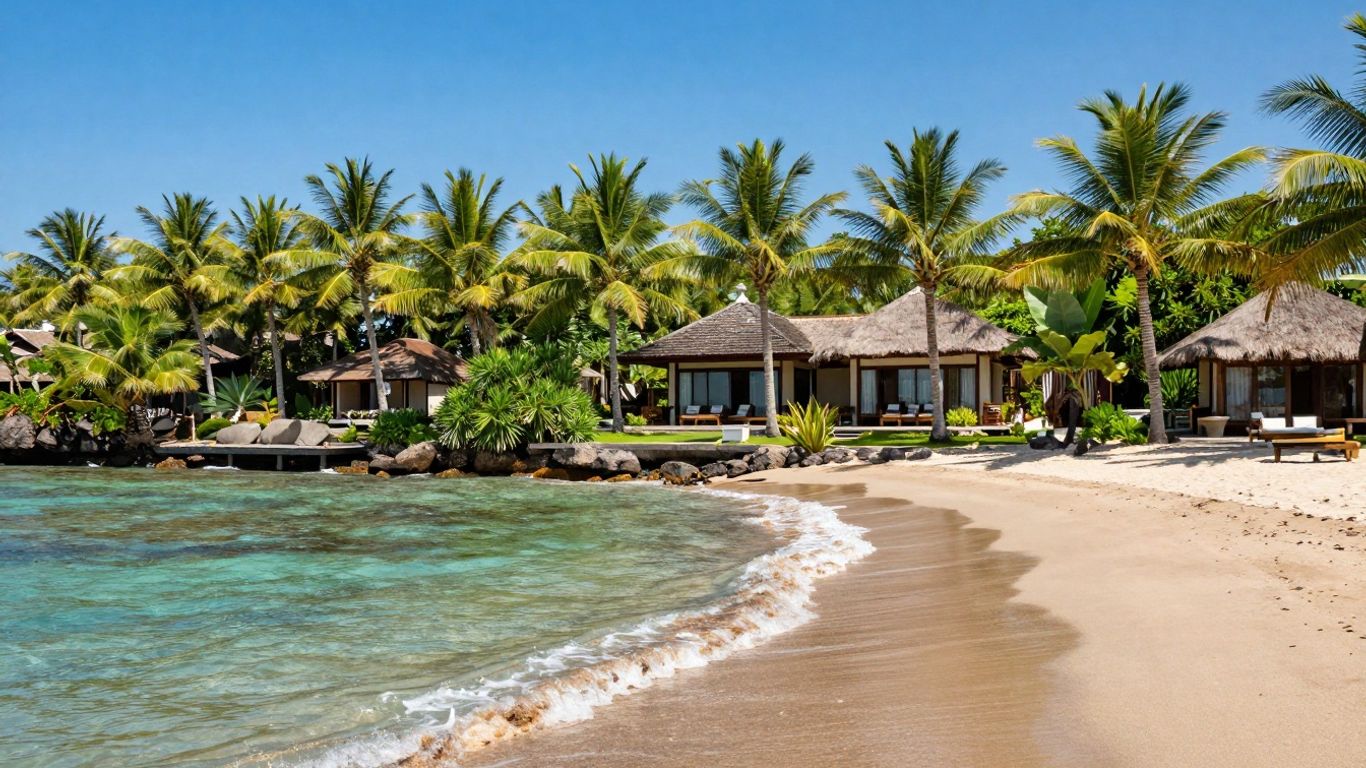
If you’re looking to experience Bali with a touch of indulgence, the months of May, June, and September are your sweet spot. These months fall within the dry season but just before or after the absolute peak of tourist numbers in July and August. This means you get fantastic weather – think sunny days, gentle breezes, and lower humidity – without the overwhelming crowds that can sometimes detract from a more serene experience. It’s the perfect time to enjoy Bali’s high-end offerings.
During these months, the island truly shines. You can expect clear skies ideal for exploring the beautiful beaches, enjoying private villa pools, and taking in the stunning sunsets. The seas are generally calm, making it pleasant for boat trips to nearby islands or simply relaxing by the ocean. Plus, with fewer people around, you’re more likely to receive attentive service at upscale restaurants and resorts.
Here’s what makes these months ideal for a luxury escape:
- Prime Weather Conditions: Enjoy consistently sunny days with comfortable temperatures, perfect for all outdoor activities.
- Reduced Crowds: Experience popular spots with more breathing room, allowing for a more relaxed and exclusive feel.
- Availability of Top Accommodations: Secure bookings at exclusive resorts, private villas, and high-end hotels without the last-minute scramble.
- Gourmet Dining Experiences: Enjoy Bali’s renowned culinary scene, from fine dining restaurants to private chef services, with easier reservations.
Traveling during May, June, or September allows for a more refined experience of Bali. You can soak in the island’s beauty and culture at a more leisurely pace, appreciating the finer details without the hustle and bustle of the busiest periods. It’s about quality over quantity, ensuring your vacation feels truly special and restorative.
While prices might be a bit higher than during the wet season, the combination of excellent weather, fewer tourists, and the availability of Bali’s best luxury services makes these months a top choice for those seeking an upscale island getaway.
Planning a trip during May, June, or September? These months offer fantastic weather for exploring. Make your journey even more special with our top-notch travel services. Visit our website today to discover how we can elevate your next adventure!
Your Bali Adventure Awaits
So, when is the best time to visit Bali? Honestly, it really depends on what you’re looking for. Whether you dream of endless sunshine for beach days, want to catch some waves, or prefer a quieter trip with fewer people and maybe a better deal on a hotel, there’s a sweet spot for you. Even if you end up visiting during the rainy season, you’ll still find plenty to enjoy, like lush green scenery and a more relaxed vibe. Bali has a way of charming visitors no matter the month. So, pick the time that fits your travel style and budget, and get ready for an amazing trip to the Island of the Gods.
Frequently Asked Questions
What’s the absolute best time to go to Bali for perfect weather?
For sunshine and minimal rain, aim for the dry season, which runs from May to September. Think clear skies and low humidity – perfect for hitting the beaches and exploring.
When is Bali least crowded but still has good weather?
If you want to avoid the biggest crowds but still enjoy nice weather, try visiting during the shoulder months. April, May, September, and October are great choices. You’ll find fewer people and often better deals.
Is the rainy season really that bad for visiting Bali?
Not at all! While it’s called the wet season (November to March), the rain usually comes in short, refreshing bursts, often in the afternoon. The island looks incredibly green and lush, and it’s much quieter and more affordable.
When should I visit if I want to go surfing?
Surfers, take note! The prime time for catching waves is during the dry season, from April to October. This is when the west coast usually has the best swells.
What’s the best time for diving or snorkeling in Bali?
For the clearest underwater views and the best chance to see marine life, plan your diving and snorkeling trips between April and November. The visibility is usually fantastic during these months.
When can I find the best deals on hotels and flights?
If you’re traveling on a budget, the cheapest times to visit are generally February, March, and November. These months fall outside the main tourist rushes, so you’ll often find lower prices for flights and accommodations.