


So, you’re thinking about heading to Bali in 2025? Awesome choice! This island is seriously something else, with its beaches, temples, and just this overall chill vibe. It can feel a bit overwhelming to plan, though, right? That’s where this bali travel guide comes in. We’ve pulled together some pointers to help you figure out the best times to go, where to stay, and how to actually get around without losing your mind. Plus, we’ll cover some of the must-see spots and, of course, the food. Let’s get you ready for an amazing trip.
Key Takeaways
- Figure out the best time to visit Bali based on whether you prefer dry, sunny days or don’t mind a bit of rain, keeping in mind crowds and prices change with the seasons.
- Bali has different areas, each with its own feel, so pick a spot that matches what you’re looking for, whether it’s busy beaches, quiet culture, or surfing waves.
- Getting around can be done by renting a scooter, using ride-hailing apps like Grab, or hiring a driver for longer trips; just be aware of local ways of doing things.
- Don’t miss out on trying local food from street stalls to nice restaurants, and remember to shop smart by bargaining politely in markets for souvenirs.
- Be mindful of local customs, dress appropriately when visiting temples, and think about sustainable travel to help keep Bali beautiful for everyone.
Planning Your Bali Travel Guide Adventure
Getting ready for a trip to Bali in 2025? It’s a fantastic choice, honestly. This island has a way of drawing people in, whether you’re after some serious relaxation or a bit of an adventure. To make sure your trip goes smoothly, a little bit of planning goes a long way. Think of it like packing for a beach day – you wouldn’t just grab a towel and hope for the best, right? You’d probably bring sunscreen, a book, maybe some snacks. Bali planning is kind of like that, but for a whole island.
Best Times to Visit Bali
When you decide to go really impacts your experience. Bali has two main seasons: the dry season and the wet season. The dry season, typically from April to September, is when you’ll find the most sunshine and less humidity. This is usually the most popular time, so expect more people and potentially higher prices for flights and stays. The wet season runs from October to March. Don’t let the ‘wet’ part scare you off too much, though. It often means afternoon showers rather than all-day downpours, and you’ll find fewer crowds and better deals. Plus, the island looks incredibly lush and green during this time.
| Season | Months | Weather Highlights |
|---|---|---|
| Dry Season | April – Sept | Sunny, less humid, ideal for beach activities |
| Wet Season | Oct – March | Afternoon showers, lush landscapes, fewer crowds |
Understanding Bali’s Diverse Regions
Bali isn’t just one big beach. It’s got distinct areas, each with its own vibe. If you’re looking for buzzing nightlife and trendy cafes, Seminyak and Canggu are your spots. For a more cultural and spiritual feel, Ubud is the place to be, surrounded by rice paddies and yoga studios. If dramatic cliffs and surf breaks are more your speed, head south to Uluwatu. And if you want to get away from it all, consider the quieter north or east coasts.
- Seminyak & Canggu: Known for beaches, shopping, restaurants, and a lively atmosphere.
- Ubud: The cultural heart, famous for rice terraces, temples, art, and wellness.
- Uluwatu: Dramatic cliffs, world-class surf, and stunning ocean views.
- North & East Bali: Quieter, offering diving, snorkeling, and a more local feel.
Deciding which areas to visit depends a lot on what you want to get out of your trip. Trying to see everything in a short time can be tiring, so picking one or two regions that match your interests is often a good strategy.
Essential Visa and Health Precautions
Before you even think about packing, check the visa requirements for your nationality. Many countries can get a visa on arrival or are visa-exempt for short stays, but rules can change. It’s always best to confirm with the official Indonesian immigration website. For health, it’s wise to consult your doctor about recommended vaccinations. While Bali is generally safe, it’s good to be prepared. Pack a basic first-aid kit, and definitely bring insect repellent, especially if you plan on visiting rural areas or during the wet season. Also, stick to bottled water to avoid any stomach troubles. Travel insurance is a must – it covers unexpected medical issues or trip cancellations, giving you peace of mind.
Navigating Bali: Getting Around the Island
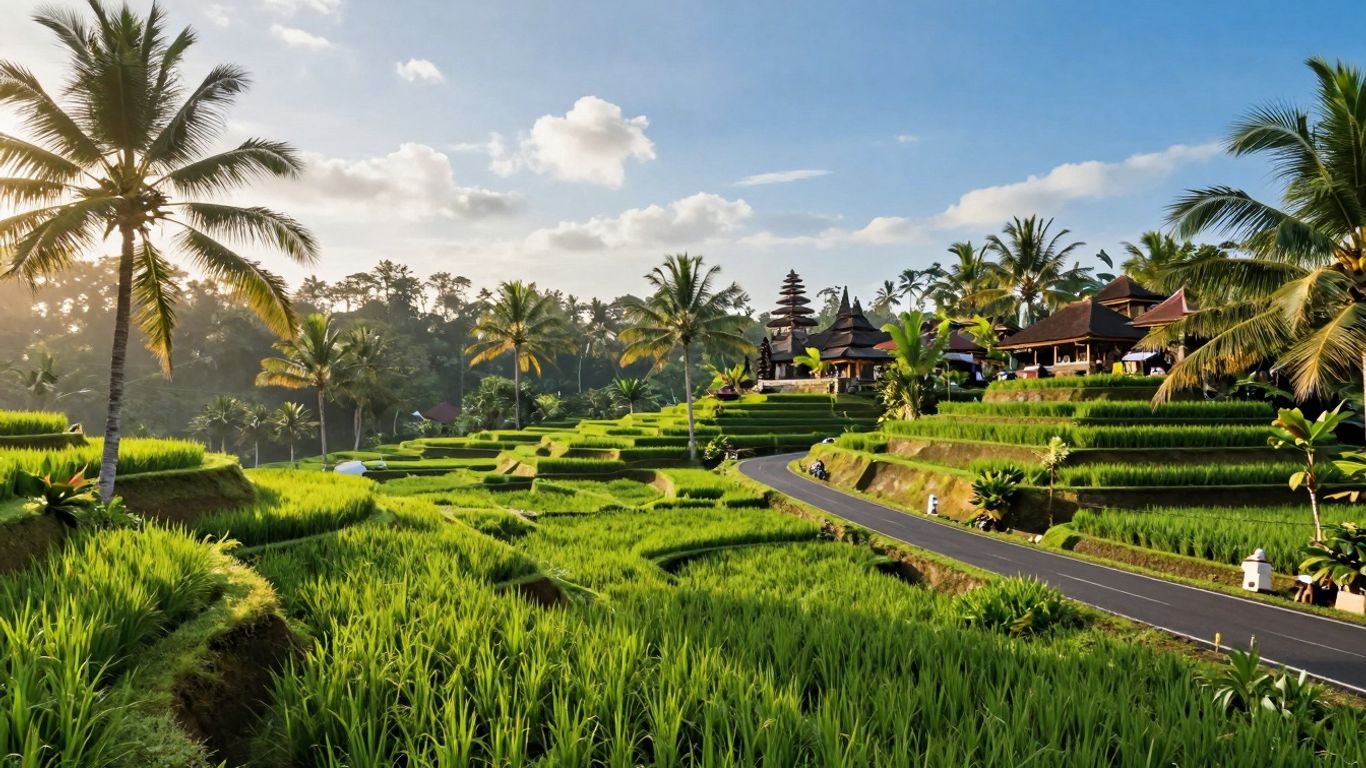
Getting around Bali is part of the adventure, and there are several ways to see the island. Choosing the right transport depends on where you’re going, your budget, and how much time you have.
Scooter Rentals and Ride-Hailing Apps
For many, renting a scooter is the go-to for exploring Bali. It offers a sense of freedom and lets you reach places more easily, especially in smaller towns or areas with narrow roads. Rental prices are usually quite reasonable, often around $5 to $8 per day. However, traffic can be chaotic, and it’s really important to be comfortable on two wheels before you hop on. Always wear a helmet – it’s a must. If you’re not keen on driving yourself, ride-hailing apps like Grab and Gojek are widely available. They offer both car and motorbike taxi services, and the prices are usually fixed and shown upfront, which is nice.
- Scooter Rental: Great for flexibility, but requires experience and caution.
- Ride-Hailing Apps (Grab/Gojek): Convenient and transparent pricing for short to medium trips.
- International Driving Permit: Make sure you have one if you plan to rent a scooter.
Be aware that while ride-hailing apps are popular, in some specific tourist areas, local transport regulations might limit their operation. It’s good to have a backup plan or check local conditions.
Island-Hopping Ferries and Private Drivers
If you’re planning to visit Bali’s neighboring islands like Nusa Penida or the Gili Islands, ferries are your main option. There are fast boats that connect Bali to these destinations, and booking in advance is often a good idea, especially during peak season. For longer distances on Bali itself, or if you prefer comfort and convenience, hiring a private driver for the day is a popular choice. This can cost anywhere from $30 to $50 for a full day, and it’s a great way to see multiple sights without worrying about directions or parking. You can arrange these through your accommodation or local tour operators.
- Ferries: Connect Bali to nearby islands; book ahead for popular routes.
- Private Drivers: Ideal for day trips, comfort, and covering more ground.
- Negotiate: For private drivers, confirm the itinerary and price beforehand.
Local Transportation Etiquette
When using local transport, a little awareness goes a long way. If you’re on a scooter, be mindful of other road users. Overtake carefully and signal your intentions. When using ride-hailing apps, be ready at your pickup point on time. If you hire a private driver, remember that they are often familiar with the local culture and can offer insights. It’s polite to use your right hand when giving or receiving anything, like money or directions, as the left hand is sometimes considered unclean in Balinese tradition. Also, avoid pointing your feet directly at people or religious items.
- Respect the flow: Traffic can be unpredictable; stay calm and observant.
- Use your right hand: When exchanging items with locals.
- Be patient: Things might not always run on a strict schedule.
Experiencing Bali’s Top Attractions
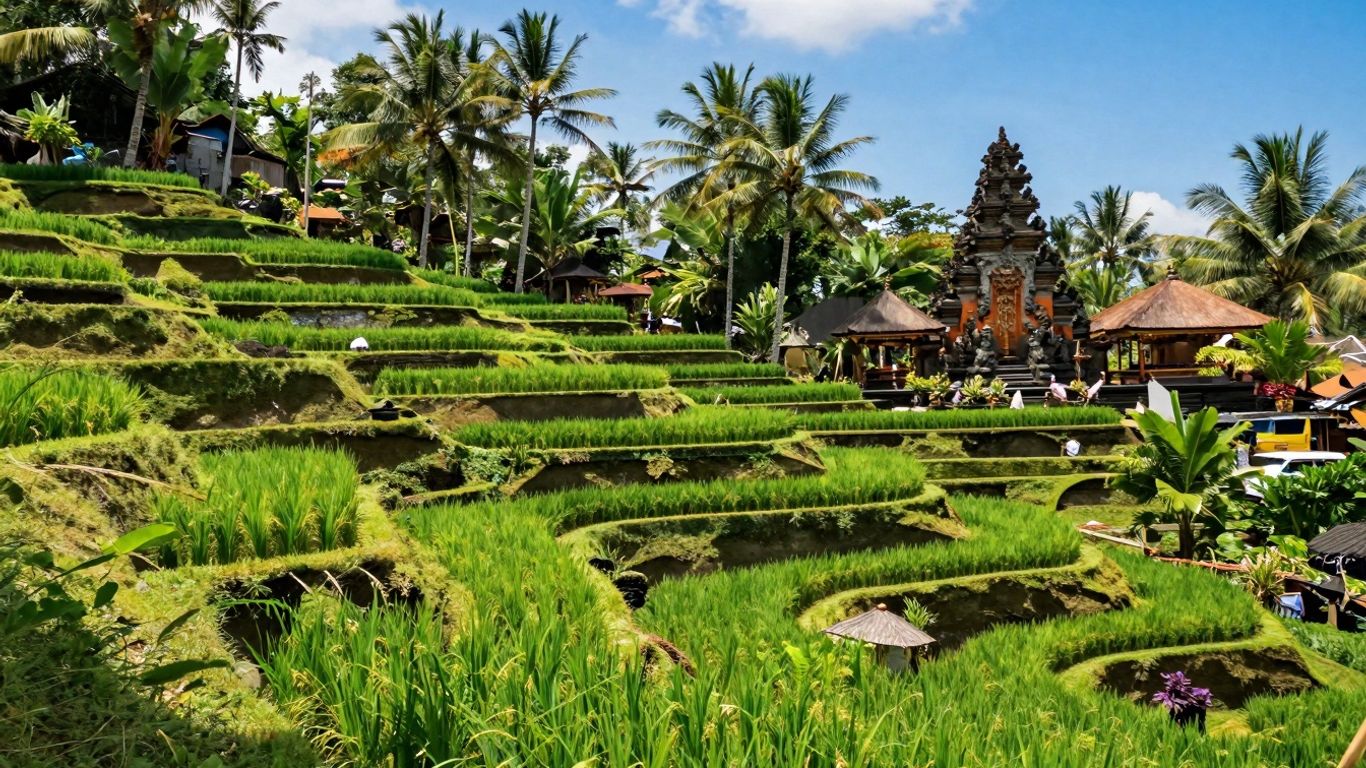
Bali is packed with sights that will stick with you long after you leave. From the famous green rice fields to ancient stone temples and waterfalls that seem to appear out of nowhere, there’s a lot to see. It’s not just about ticking boxes, though; it’s about feeling the place.
Iconic Rice Terraces and Sacred Temples
The Tegalalang Rice Terraces near Ubud are probably what come to mind when you think of Bali. These aren’t just pretty views; they’re a working example of the ‘subak’ irrigation system, a UNESCO World Heritage site. It’s a really old way of managing water that shows how Balinese people work with nature. You can walk through them, take photos, and even grab a coconut from a small stand. Just be aware that some of the paths can get a bit crowded, especially during peak times.
When it comes to temples, there are hundreds scattered across the island, each with its own story. Tanah Lot Temple, perched on a rock formation by the sea, is a classic sunset spot. It gets busy, but the view is worth it. Uluwatu Temple, set high on a cliff edge, offers dramatic ocean vistas and is known for its Kecak dance performances at sunset. For something a bit different, Tirta Empul Temple is a place where locals and visitors alike go for a purification ritual in the holy spring water. Remember to dress respectfully here – a sarong and sash are usually required, and they’re often available to rent at the entrance.
Exploring Hidden Waterfalls and Beaches
Beyond the main sights, Bali has countless waterfalls, many tucked away in lush jungle. Tegenungan Waterfall is one of the more accessible ones, with a powerful cascade you can swim near. For a more secluded experience, try Tibumana Waterfall or Kanto Lampo, where the water flows over rocks in a unique way. Getting to some of these might involve a bit of a walk or a bumpy ride, but that’s part of the adventure.
Bali’s beaches range from the busy surf hubs to quiet stretches of sand. Seminyak and Canggu are known for their beach clubs and sunset views, great for people-watching. If you’re looking for something quieter, head south to Uluwatu for dramatic cliffside beaches like Padang Padang or Bingin. For a real escape, consider a day trip to Nusa Penida, where Kelingking Beach, with its T-Rex-shaped cliff, is a showstopper. Just be prepared for steep paths to get down to some of these more remote spots.
Cultural Immersion in Traditional Villages
To really get a feel for Bali, spending time in its traditional villages is a must. Ubud is often called the cultural heart, and while it’s touristy, it’s surrounded by smaller villages where you can see local life. You might find places offering traditional Balinese cooking classes or workshops where you can try your hand at batik making or silver jewelry crafting. Visiting a local market early in the morning, before the crowds, gives you a glimpse into daily routines. It’s a good idea to be mindful and respectful when you visit these communities; always ask before taking photos of people and try to learn a few basic Indonesian phrases like ‘terima kasih’ (thank you).
Bali’s attractions are a mix of the natural and the man-made, all deeply connected to the island’s spiritual beliefs. Whether you’re standing before a centuries-old temple or feeling the spray from a hidden waterfall, there’s a sense of peace and wonder that’s hard to find elsewhere. It’s about taking your time and soaking it all in.
Culinary Delights of Bali
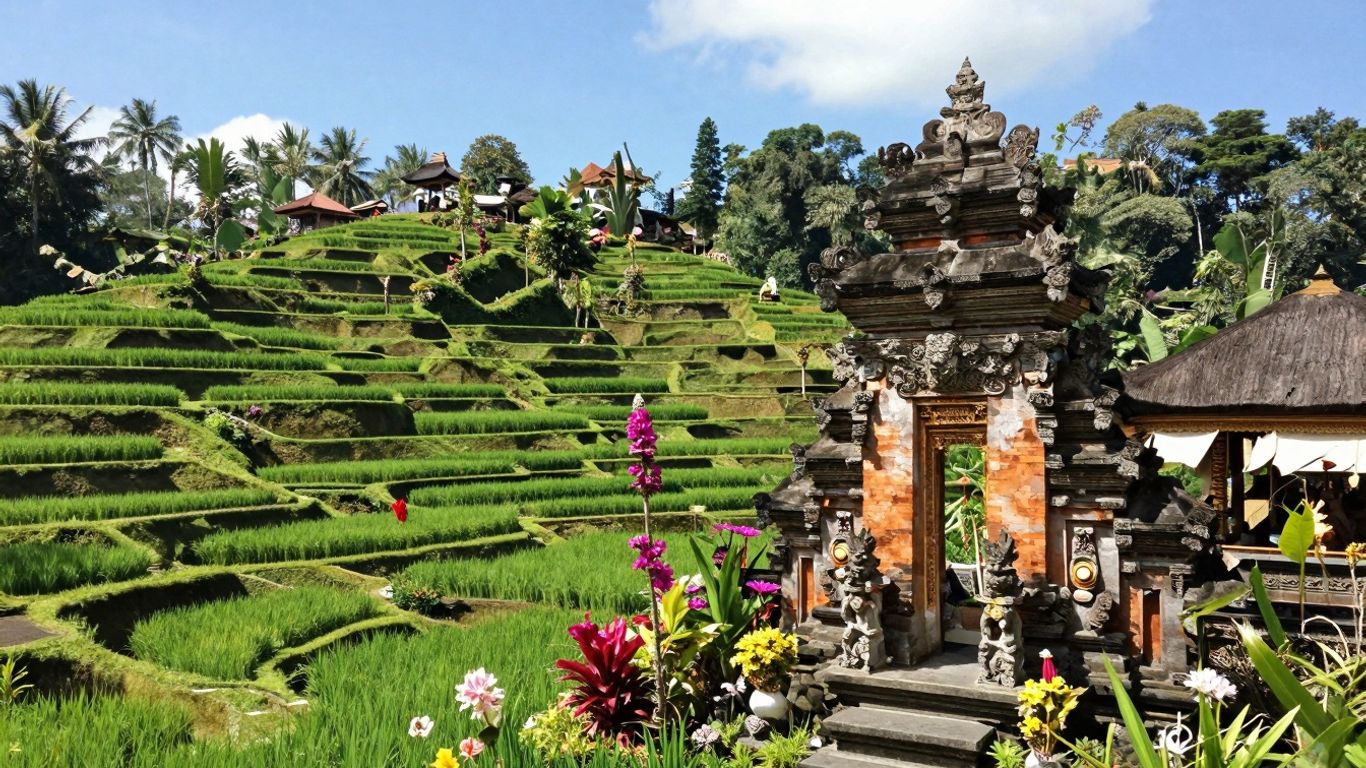
Bali is a food lover’s dream, and exploring its food scene is a big part of the fun. You’ll find everything from simple local eateries to fancy restaurants. The island’s cooking uses a lot of spices and fresh stuff, influenced by Indonesian flavors and local traditions.
Must-Try Balinese Dishes
When you’re in Bali, make sure to try some of the local specialties. These dishes are really popular and give you a taste of the island’s culture.
- Babi Guling: This is probably Bali’s most famous dish. It’s a whole pig, roasted on a spit, and seasoned with a mix of turmeric, coriander, lemongrass, and chili. It’s super flavorful.
- Nasi Goreng: You’ll see fried rice everywhere, but the Balinese version often comes with a spicy raw chili relish called sambal matah and sweet soy sauce.
- Bebek Betutu: This dish involves duck slow-cooked for hours in banana leaves with a paste of spices. The result is incredibly tender and packed with flavor.
- Sate Lilit: Unlike other satay, this is made with minced fish or chicken mixed with coconut, lime leaves, and spices, then grilled on a stick. It’s a unique take on a classic.
- Lawar: A mix of minced meat, vegetables, grated coconut, and spices. It’s often served during ceremonies and gives you a look at home-style Balinese cooking.
Navigating Food Markets and Street Food
For a truly local experience, check out the food markets. They’re bustling places where you can try a variety of snacks and meals at low prices. Street food is also a big part of Bali’s food culture. Just be mindful of where you eat, especially if you have a sensitive stomach. Look for stalls that are busy with locals – that’s usually a good sign.
Trying local food is a great way to connect with the culture. Don’t be afraid to step out of your comfort zone and sample new flavors. Many warungs, which are small local eateries, offer authentic dishes at very reasonable prices.
Restaurant Recommendations for Every Palate
Bali has dining options for everyone. In Ubud, you can find everything from casual warungs serving traditional meals for a few dollars to high-end restaurants offering modern Indonesian cuisine. Areas like Seminyak and Canggu have a wide range of international food, plus sophisticated Indonesian spots. Many beach clubs also offer great dining with ocean views, perfect for watching the sunset.
Here’s a quick look at some types of places you might find:
- Authentic Local Warungs: Great for trying dishes like Babi Guling or Nasi Ayam at very affordable prices.
- Upscale Indonesian Restaurants: These places often put a modern spin on traditional dishes, using local ingredients in creative ways.
- International Cuisine: From Italian to Mexican, you can find almost any type of food you’re craving, often with a Balinese twist.
- Beach Clubs: Perfect for a relaxed meal with a view, offering a mix of casual bites and more elaborate dinners.
Accommodation Options in Bali
Finding the right place to stay in Bali can really shape your trip. The island has a huge variety of spots, from fancy places to really simple ones. It all depends on what you’re looking for and how much you want to spend. Booking ahead, especially for popular areas and during peak times, is a good idea.
Luxury Resorts and Boutique Stays
If you’re after comfort and top-notch service, Bali has plenty of high-end options. Think sprawling resorts with private pools, amazing ocean views, and spas that make you feel completely pampered. Many of these are found in places like Seminyak, known for its chic vibe, or Uluwatu, with its dramatic cliffside settings. Boutique hotels offer a more intimate experience, often with unique designs and personalized attention. You can find some really beautiful villas in Bali that offer a private slice of paradise.
Budget-Friendly Bungalows and Eco-Lodges
Don’t worry if you’re traveling on a tighter budget. Bali is fantastic for backpackers and those looking for affordable stays. You’ll find simple bungalows, guesthouses, and hostels scattered across the island, especially in areas like Ubud, which is more inland and surrounded by nature. Many places focus on sustainability, using local materials and offering a chance to connect with the environment. These spots are great for experiencing local life without breaking the bank.
Choosing Your Ideal Neighborhood
Where you decide to stay really matters. If you want to be near the action, with lots of restaurants and nightlife, Seminyak or Canggu might be your pick. For a more spiritual and cultural experience, surrounded by rice fields and art, Ubud is the place to go. If stunning beaches and surfing are your main goals, Uluwatu on the southern tip is worth checking out. For families or those wanting calm waters, Nusa Dua offers a more resort-focused environment.
Here’s a quick look at some popular areas:
- Seminyak: Upscale, trendy, great for shopping and dining.
- Ubud: Cultural heart, yoga, nature, art.
- Uluwatu: Surfing, dramatic cliffs, luxury villas.
- Nusa Dua: Family-friendly, calm beaches, large resorts.
Bali’s accommodation scene is diverse. Whether you’re dreaming of a private villa with an infinity pool or a simple room in a local guesthouse, there’s something for everyone. Consider what kind of atmosphere you want for your holiday when making your choice.
Cultural Etiquette and Responsible Travel
Respecting Local Traditions and Customs
Bali is a place with a rich cultural tapestry, and showing respect for local customs really goes a long way. Most Balinese people are Hindu, and while the island is used to visitors, maintaining a respectful attitude is key. When you visit temples or other sacred spots, it’s important to dress modestly. This usually means covering your shoulders and knees. Many temples will offer sarongs and sashes to wear if you don’t have your own, but it’s a good idea to bring one just in case. Also, remember to take off your shoes before entering temples and people’s homes.
When interacting with locals, try to use your right hand for giving and receiving things, as the left hand is sometimes seen as unclean. Public displays of affection, like kissing or hugging, are generally not the norm here, so keep those gestures more private. And if you want to take photos of people, especially during ceremonies or in villages, always ask for permission first. Most people are happy to oblige, but it’s polite to ask.
Here are a few basic phrases that can make a difference:
- Terima Kasih: Thank you
- Selamat Pagi: Good morning
- Permisi: Excuse me
Learning even a little bit of the local language is often appreciated and can lead to warmer interactions.
Sustainable Tourism Practices
Bali’s natural beauty is a big draw, and it’s up to all of us to help keep it that way. Being mindful of your environmental impact is really important. This means properly disposing of your trash – don’t leave anything behind, especially on beaches or in natural areas. Reducing your use of single-use plastics, like water bottles and bags, is also a good step. Consider using reef-safe sunscreen when you swim, as this helps protect the island’s coral reefs. Supporting local businesses and eco-friendly tours is another way to contribute positively to the island’s communities and environment.
Bali is facing environmental challenges, and responsible tourism plays a part in its preservation. Small actions by visitors can collectively make a significant difference in maintaining the island’s beauty for future generations.
Essential Do’s and Don’ts for Visitors
To help you navigate your trip smoothly and respectfully, here’s a quick rundown of things to keep in mind:
Do’s:
- Do dress modestly when visiting religious sites.
- Do use your right hand for transactions and greetings.
- Do carry small change for local markets and small purchases.
- Do drink bottled water.
- Do ask permission before taking photos of people.
Don’ts:
- Don’t touch people’s heads, especially children’s.
- Don’t point your feet at people or religious objects.
- Don’t engage in excessive public displays of affection.
- Don’t bring illegal drugs into the country; penalties are severe.
- Don’t litter; always dispose of waste properly.
Shopping and Souvenirs in Bali
Bringing home a piece of Bali is part of the travel experience, and the island offers a wide array of shopping opportunities. From vibrant local markets to chic boutiques, you can find everything from handcrafted art to stylish clothing. It’s a good idea to have some smaller bills handy for market purchases.
Discovering Bali’s Art Markets
Bali’s art markets are treasure troves for unique finds. Ubud Art Market is famous for its textiles, carvings, and paintings, while Sukawati Art Market offers a more traditional experience with a vast selection of local crafts. These markets are lively places where you can really get a feel for the island’s creative spirit. The sheer variety of handmade goods is astounding. You’ll find intricate wood carvings, colorful batik fabrics, silver jewelry, and woven baskets, often made by artisans who have honed their skills over generations.
Tips for Bargaining and Polite Negotiation
Bargaining is a common practice in Bali’s traditional markets, and it can be part of the fun. Approach it with a smile and a friendly attitude. It’s generally acceptable to start by offering around 50-60% of the initial asking price and then negotiate from there. Remember to be respectful of the seller and know when to walk away if you can’t reach a price you’re comfortable with. It’s not about getting the absolute lowest price, but about a fair exchange.
Here are a few pointers for a smoother bargaining experience:
- Be friendly and polite throughout the negotiation.
- Have a price in mind before you start.
- Don’t be afraid to walk away if the price isn’t right.
- Enjoy the interaction; it’s a cultural exchange.
Finding Unique Local Handicrafts
Beyond the main art markets, keep an eye out for smaller shops and workshops scattered throughout the island. Many villages specialize in particular crafts, such as Celuk for silver jewelry or Mas for wood carving. Exploring these areas can lead to discovering truly one-of-a-kind items. Look for items made from natural materials like bamboo, rattan, and coconut shell. You might also find beautiful home decor pieces, ceramics, and traditional Balinese musical instruments. Supporting these local artisans directly helps preserve traditional crafts and provides income for communities.
When shopping, especially in local markets, remember that many vendors are selling handmade items. Prices reflect the skill and time invested. While bargaining is expected, aim for a price that feels fair to both you and the seller, contributing positively to the local economy.
Staying Connected and Safe in Bali
Keeping in touch and looking after yourself are pretty important when you’re exploring a new place like Bali. It’s not just about sharing photos; it’s about having a safety net and making sure your trip goes smoothly.
Connectivity Options and Local SIM Cards
Getting online in Bali is generally straightforward. You’ve got a few choices, and picking the right one can save you some hassle. Buying a local SIM card upon arrival is often the most cost-effective way to stay connected. Major providers like Telkomsel, XL Axiata, and Indosat Ooredoo have good coverage across the island, especially in populated areas. You can pick these up at the airport or in small shops in towns. Make sure to have your passport handy for registration.
Alternatively, many cafes, restaurants, and hotels offer Wi-Fi. While convenient, the speed and reliability can vary a lot. If you plan on doing a lot of work or need consistent access, relying solely on public Wi-Fi might be frustrating. Downloading offline maps before you go is also a smart move, especially if you plan on renting a scooter and exploring less-traveled paths. This way, you won’t get lost if your data connection drops.
Essential Safety Tips and Scam Avoidance
Bali is generally a safe island, but like anywhere, it pays to be aware. Petty theft can happen, especially in crowded tourist spots, so keep an eye on your belongings. When riding a scooter, always wear a helmet – it’s the law and it’s smart. Traffic can be chaotic, so if you’re not an experienced rider, consider using ride-hailing apps like Grab or Gojek instead. They offer fixed prices and are a reliable way to get around.
Be cautious of common scams. Some drivers might try to overcharge tourists, or you might encounter people offering
Staying connected and safe in Bali is super important for a great trip. You’ll want to know how to get around easily and keep your information secure. Think about how you’ll handle your phone service and online safety while you’re exploring the island. For reliable and comfortable travel options that help you stay safe and connected, check out our services.
Your Bali Journey Awaits
So, that’s a wrap on getting you ready for Bali in 2025. This island really does have a bit of everything, from quiet temples to busy beaches and amazing food. We’ve covered a lot, from where to stay and what to see to how to get around without too much fuss. Remember to pack smart, be respectful of the local ways, and most importantly, just go with the flow. Bali is a special place, and with a little planning, you’re all set to make some fantastic memories. Enjoy your trip to the Island of the Gods!
Frequently Asked Questions
When is the best time to go to Bali?
The best time to visit Bali is generally during the dry season, which runs from April to October. This is when you’ll find sunny days and less rain, perfect for exploring beaches and outdoor sights. However, it’s also the busiest time, so if you prefer fewer crowds and lower prices, consider visiting during the shoulder months like May or September. The wet season, from November to March, sees more rain but also fewer tourists and greener landscapes.
How do I get around Bali?
Getting around Bali offers many options. For short trips and flexibility, renting a scooter is popular, but be cautious and always wear a helmet. Ride-hailing apps like Gojek and Grab are also widely available and convenient for both rides and food delivery. For longer distances or group travel, hiring a private driver for a day is a great way to see the island comfortably. Ferries are available if you plan to visit nearby islands like Nusa Penida.
What should I wear in Bali, especially when visiting temples?
Bali is a tropical island, so light and breathable clothing is best. When visiting temples or other sacred sites, it’s important to dress respectfully. This means covering your shoulders and knees. Many temples provide sarongs and sashes at the entrance, but it’s a good idea to bring your own sarong just in case. Outside of temples, casual wear is perfectly fine.
What are some must-try Balinese foods?
Balinese cuisine is delicious! You absolutely have to try ‘Babi Guling,’ which is roasted suckling pig – a real local specialty. ‘Nasi Goreng’ (fried rice) and ‘Mie Goreng’ (fried noodles) are also popular and tasty. For something a bit different, try ‘Sate Lilit,’ a type of satay made from minced meat. Don’t forget to explore the local markets for fresh fruits and snacks!
Is it safe to drink the tap water in Bali?
No, it’s not recommended to drink tap water in Bali. Stick to bottled water for drinking and brushing your teeth to avoid any stomach issues. Many hotels and restaurants provide filtered water, and bottled water is readily available everywhere, so staying hydrated with safe water is easy.
What are some important cultural customs to be aware of?
Balinese culture is rich and spiritual. Always be respectful when visiting temples and sacred places. Use your right hand when giving or receiving things, as the left hand is considered unclean. Avoid public displays of affection that are too much. Learning a few basic Indonesian phrases like ‘Terima Kasih’ (thank you) will be greatly appreciated by the locals and can enhance your interactions.